A jigger is simple until a recipe asks for 3/4 ounce and the tool in your hand is marked in milliliters—or has no visible line at all. The good news is that cocktail measurements repeat. Once you recognize a handful of common pours, almost any recipe becomes easier to follow.
This guide gives you the conversions, explains how different double jiggers are sized, and shows how to measure without turning cocktail hour into a math class.
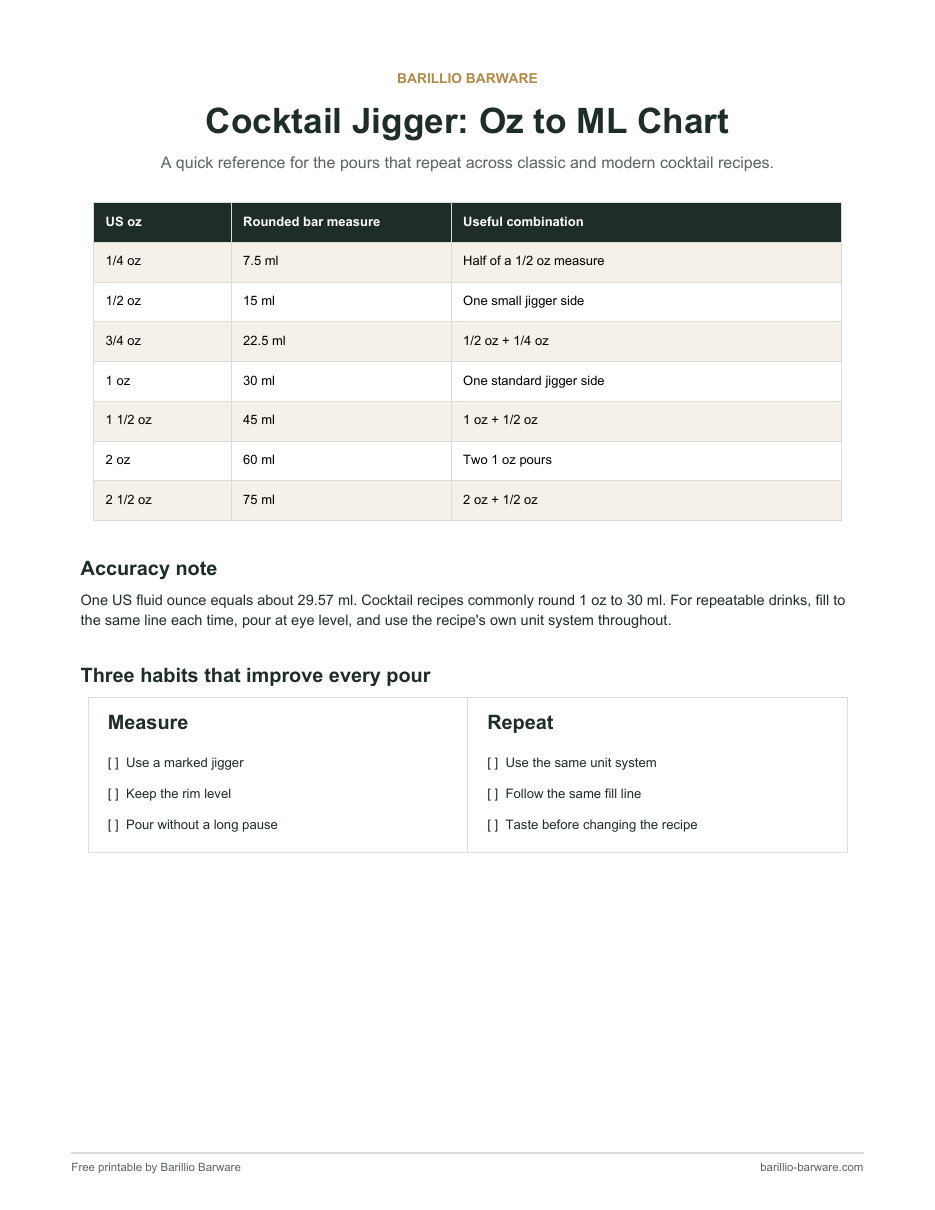
Cocktail jigger measurements at a glance
| Ounces | Milliliters | Where it often appears |
|---|---|---|
| 1/4 oz | 7.5 ml | Small modifiers, syrups, or strong ingredients |
| 1/2 oz | 15 ml | Citrus, syrup, liqueur, or a split base |
| 3/4 oz | 22.5 ml | A common sour-style measure |
| 1 oz | 30 ml | A standard small pour or equal-parts recipe |
| 1 1/2 oz | 45 ml | A frequent base-spirit measure |
| 2 oz | 60 ml | A generous base pour in many classics |
These are practical bar conversions, rounded to the measurements used in recipes and on tools. If a recipe is written in centiliters, 1 cl equals 10 ml.
What do the two sides of a jigger mean?
A double jigger combines two measuring cups. The large and small sides are not universal. One model may be 1 ounce and 1/2 ounce, while another is 1 1/2 ounces and 3/4 ounce. That difference matters, especially when you switch between a home kit and a travel setup.
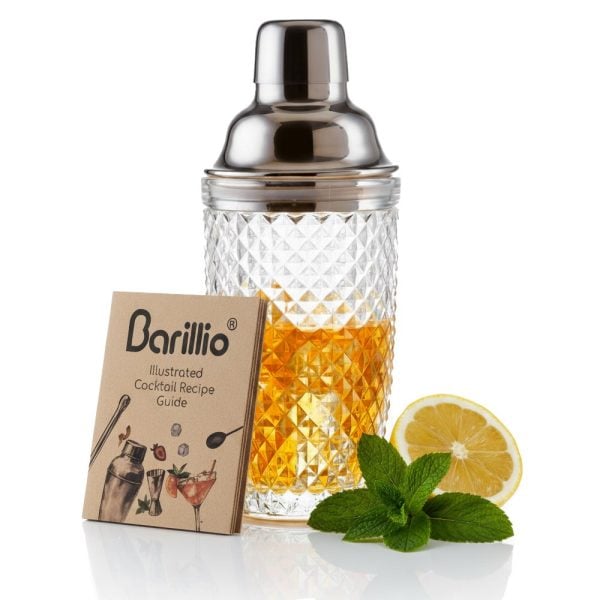
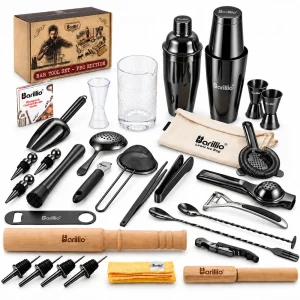
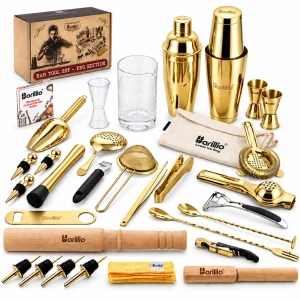
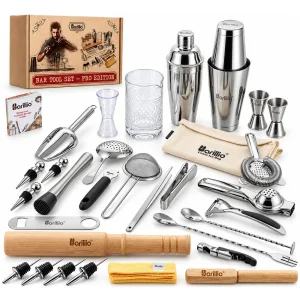
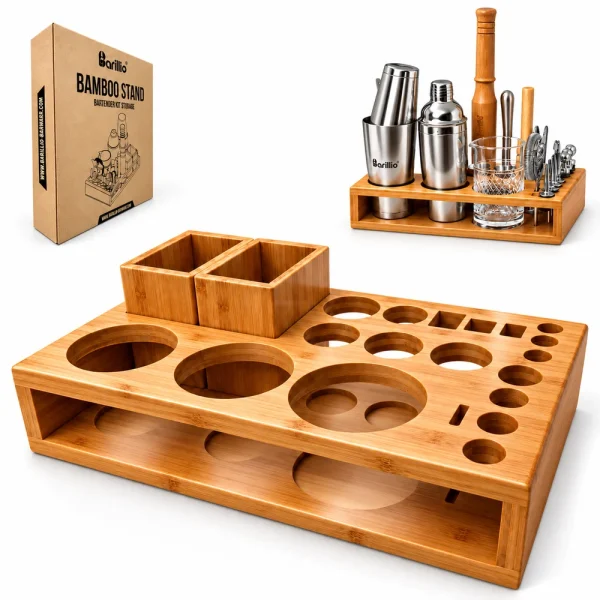
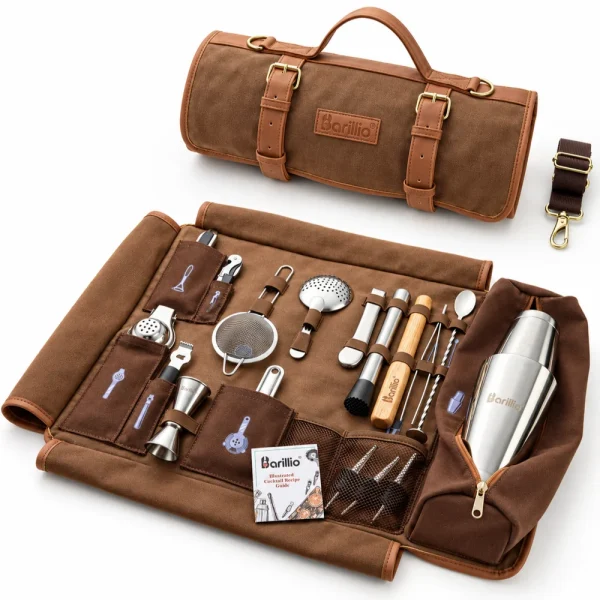
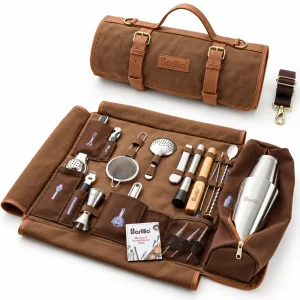
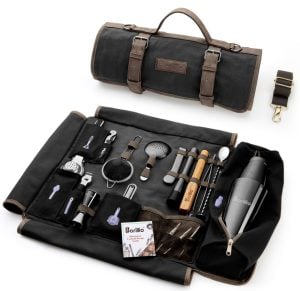
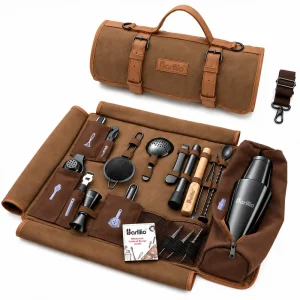
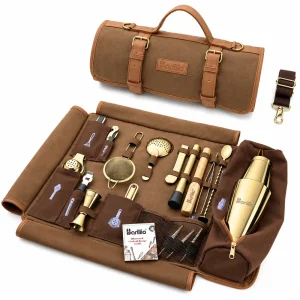
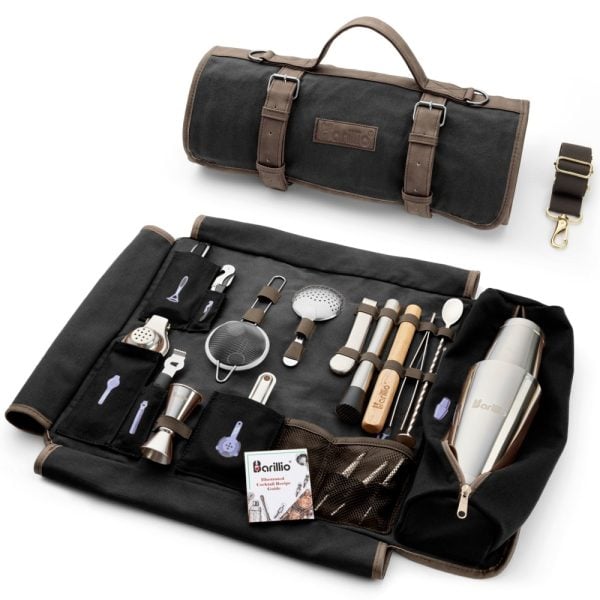
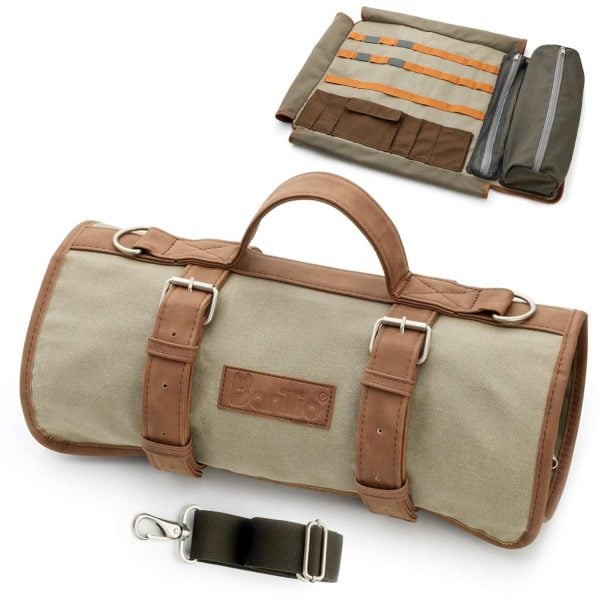
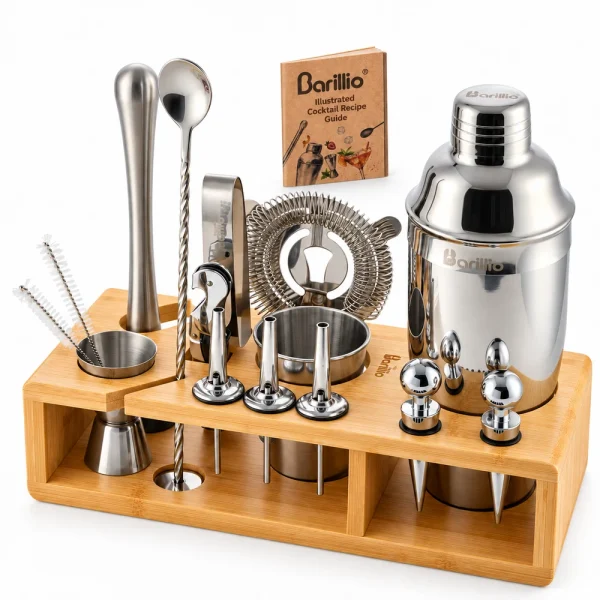
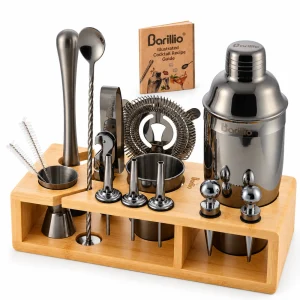
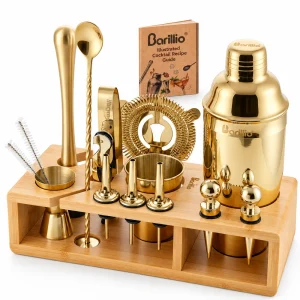
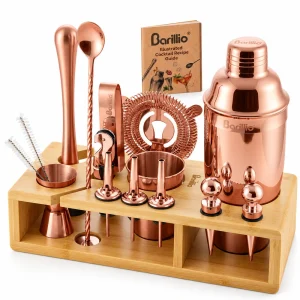
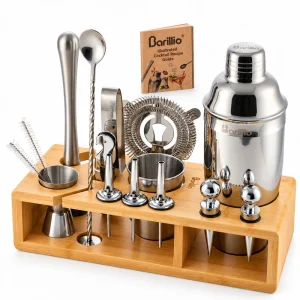
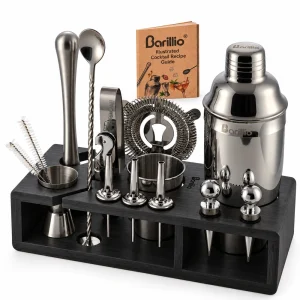
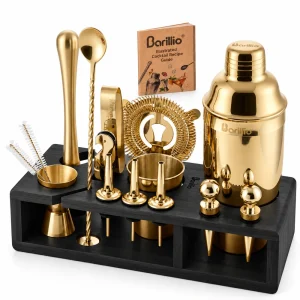
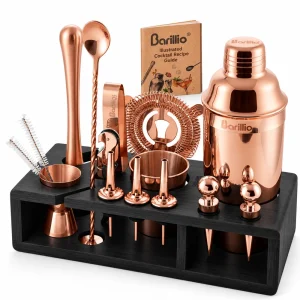
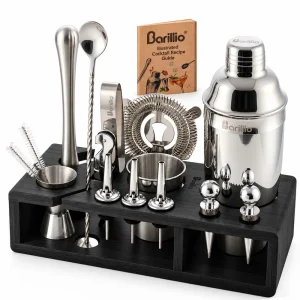
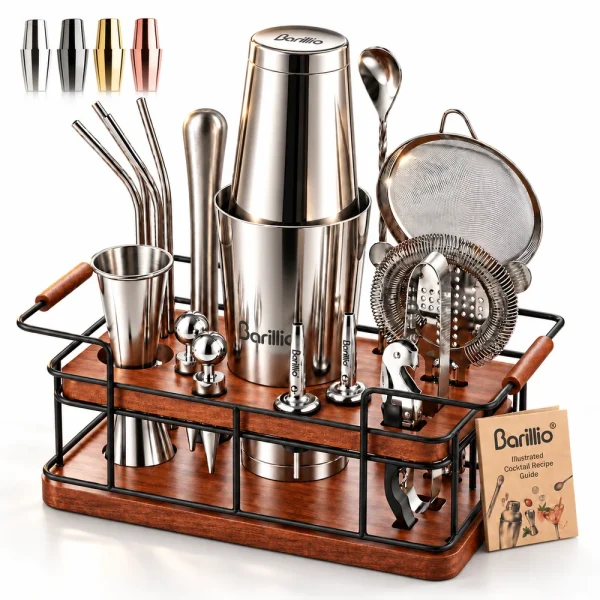
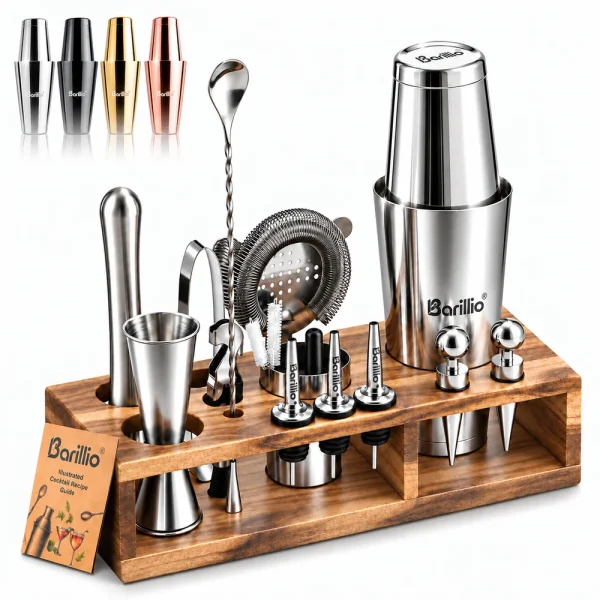
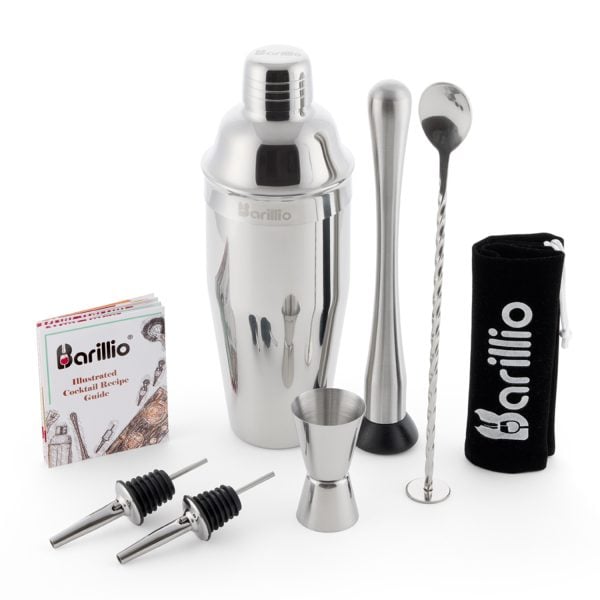
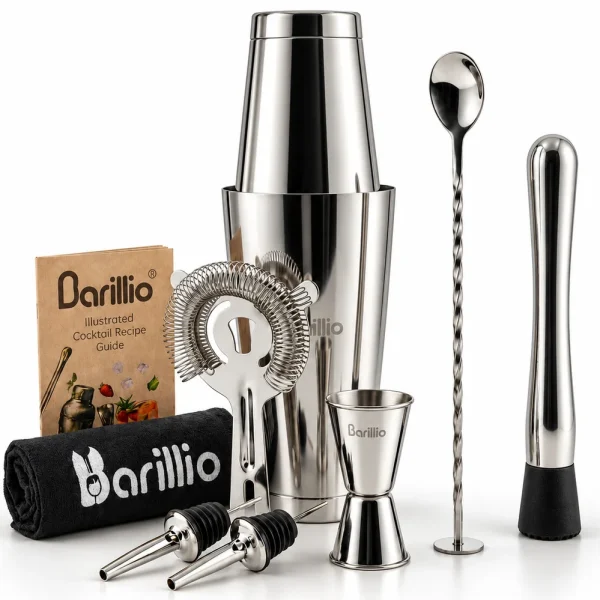
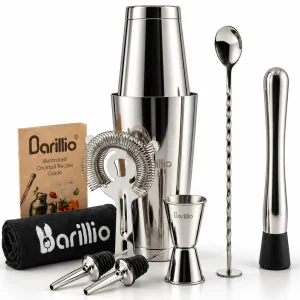
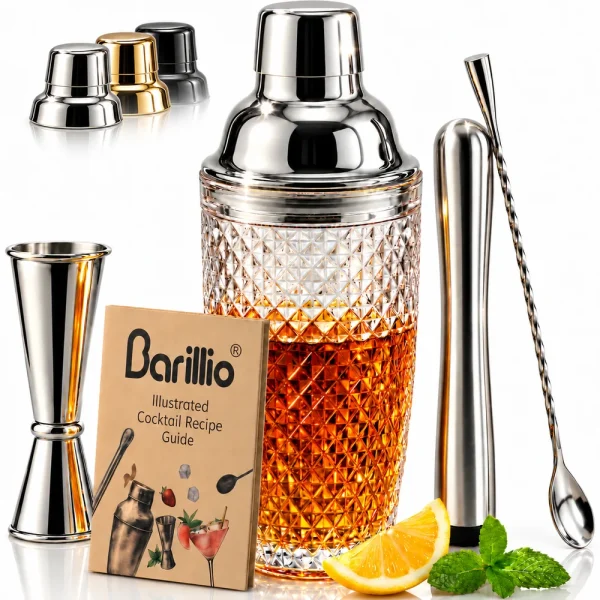
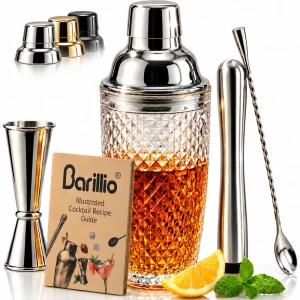
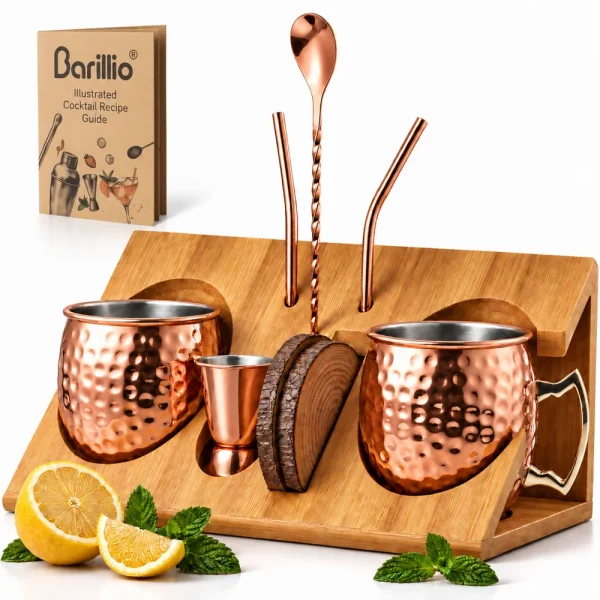
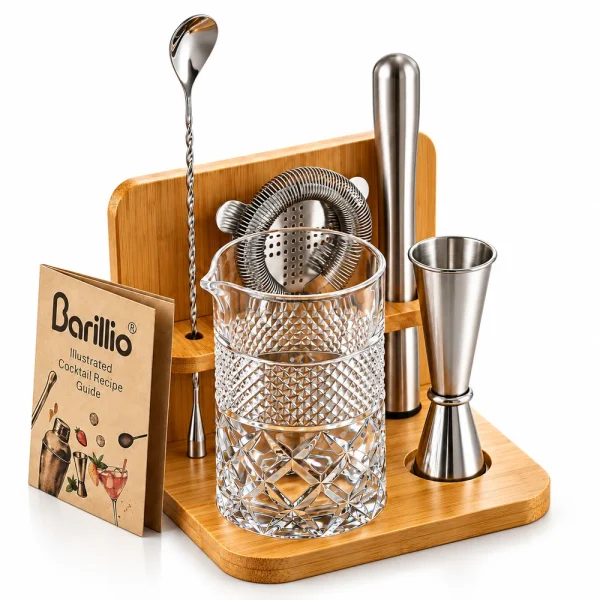
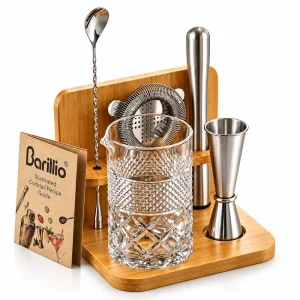
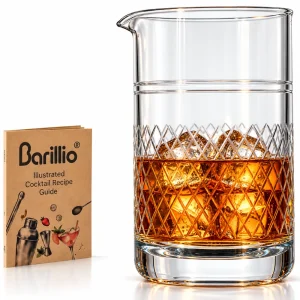
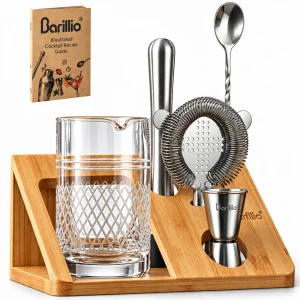
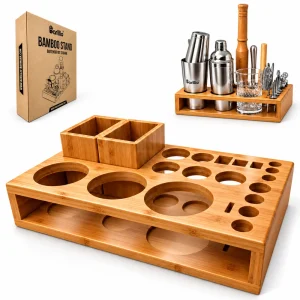
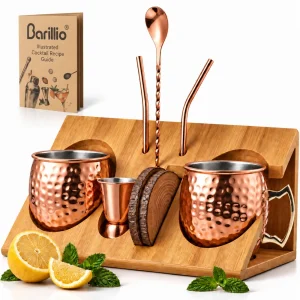
For example, the jigger in Barillio’s bartender kit with bamboo stand measures 1 ounce and 1/2 ounce. The travel bartender kit uses a 1 1/2-ounce and 3/4-ounce combination. The 24-ounce mixing glass set includes 1-ounce and 1/2-ounce sides. Check the markings on your own tool rather than relying on its shape.
How to measure a cocktail accurately
- Hold the jigger over the shaker or mixing glass. A small spill lands in the drink instead of on the counter.
- Keep the jigger level. Tilting it changes the volume even when the liquid reaches the rim.
- Pour to the engraved line when the cup has internal markings. If it has no line, fill to the rim without creating a dome of liquid.
- Tip the full measure into the drink in one controlled motion so a sticky syrup does not remain on the wall of the cup.
- Measure citrus and syrup as carefully as the spirit. Balance is usually lost in the smaller ingredients, not the largest pour.
How to make 1/4 oz, 3/4 oz, and 2 oz with a basic jigger
A 1-ounce/1/2-ounce jigger covers more recipes than it first appears. Use half of the 1/2-ounce side for roughly 1/4 ounce. Combine the full 1/2-ounce side with half of it for roughly 3/4 ounce. Fill the 1-ounce side twice for 2 ounces. For repeatability, an internally marked jigger is better than estimating half a cup by eye—but these combinations are useful when you are working with a compact kit.
A few common measurement patterns
Many recipes become memorable when you see the structure behind them. An equal-parts drink might use 1 ounce each of three ingredients. A sour often starts with a larger base-spirit pour balanced by smaller citrus and sweet components. A stirred spirit-forward drink usually has one dominant base plus a measured modifier. The exact recipe still wins, but recognizing the pattern makes errors easier to spot.
If you are assembling your first setup, the home bar accessories guide explains where a jigger fits among the essential tools. Our bartender kit guide covers how to choose a complete set without paying for filler pieces.
Jigger versus shot glass
A shot glass is designed for serving, and its advertised capacity does not always match a marked pour line. A jigger is designed for repeatable measurement and is easier to empty cleanly into a shaker. A marked shot glass can work in a pinch, but verify its lines with water before using it as your standard.
Which jigger size should you choose?
Choose for the recipes you make most often. A 1-ounce/1/2-ounce jigger is intuitive for equal-parts drinks and small modifiers. A 1 1/2-ounce/3/4-ounce model is convenient for sours and many modern recipes. Internal markings add flexibility; a narrow, taller shape gives a clean pour, while a wider cup may feel steadier for beginners.
The best jigger is ultimately the one you can read quickly and fill consistently. Learn its two main capacities, practice the smaller divisions with water, and your cocktails will become more balanced without changing a single ingredient.
One useful test is to make the same simple drink twice, measuring every ingredient both times. If the two versions taste noticeably different, slow down the smaller pours first. Consistency is the real purpose of a jigger: not laboratory precision, but a dependable result you can repeat for the next glass.
Download the cocktail jigger oz to ml chart
This printable keeps the key information on one page. The same information is available in the article text for screen readers and quick reference.