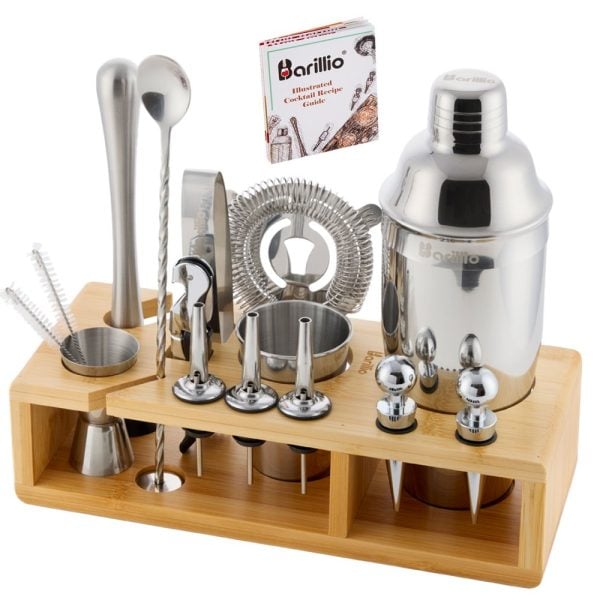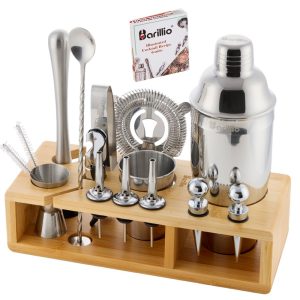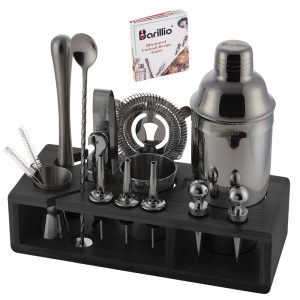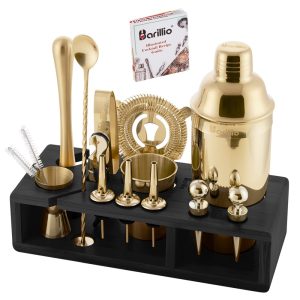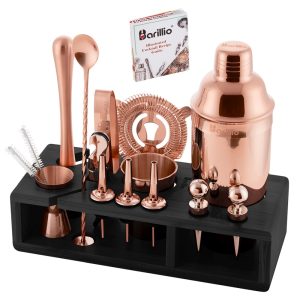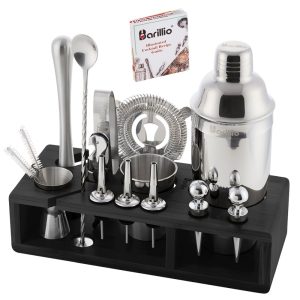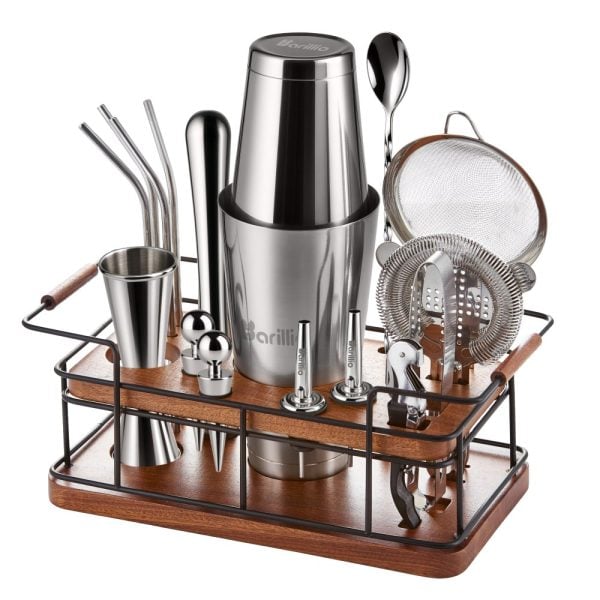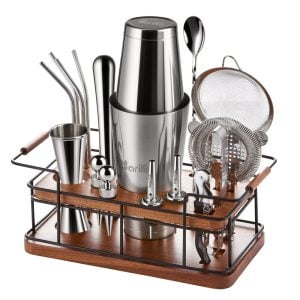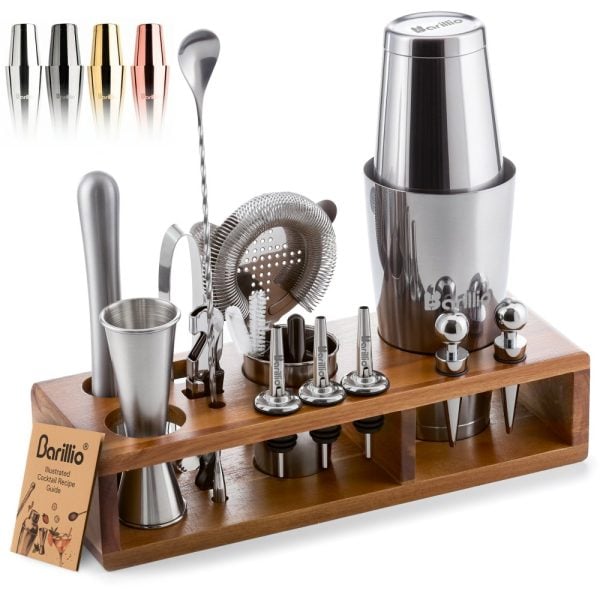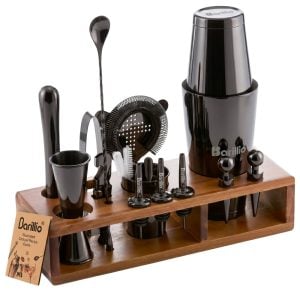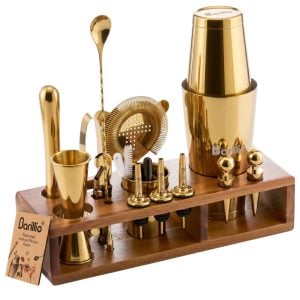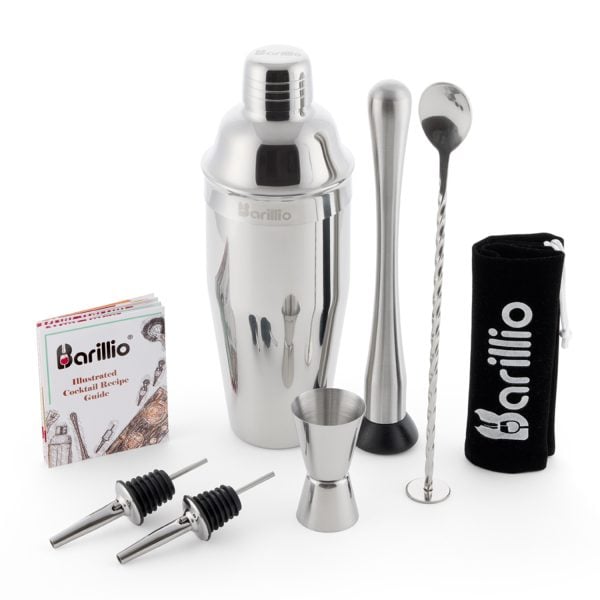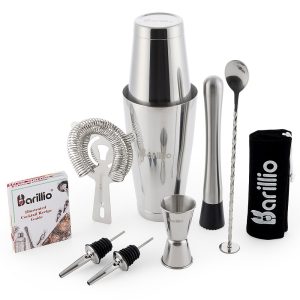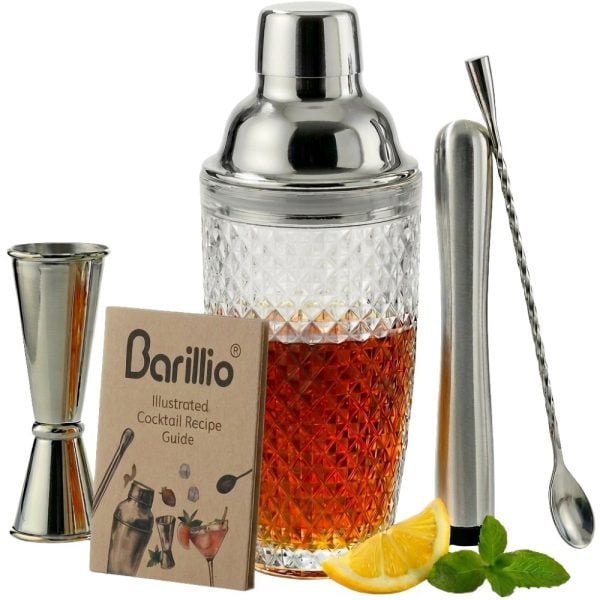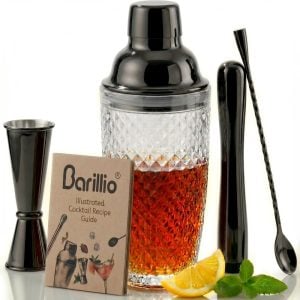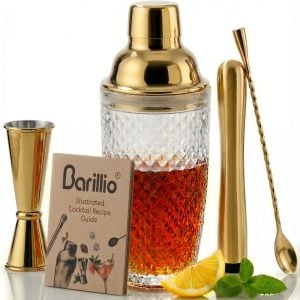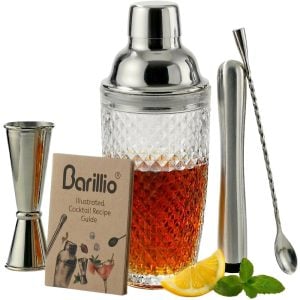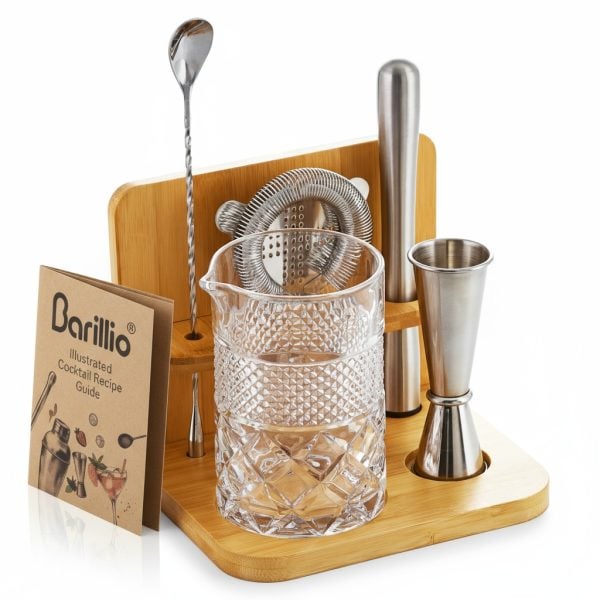
Glass and stainless steel cocktail shakers can both make a well-chilled drink, but they create a different experience at the bar. Glass lets you watch the ingredients combine; stainless steel is lighter, faster to chill, and better suited to frequent handling.
The right choice depends less on which material is “best” and more on how you mix, clean, store, and serve cocktails.
Glass vs stainless steel at a glance
| Consideration | Glass shaker | Stainless steel shaker |
|---|---|---|
| Visibility | You can see the liquid, ice, and color | Contents are hidden while shaking |
| Weight | Usually heavier | Usually lighter |
| Temperature feel | Changes more gradually | Feels cold quickly |
| Breakage risk | Must be handled and stored carefully | Resists everyday knocks but can dent |
| Presentation | Visual and display-friendly | Classic professional appearance |
| Travel | Less convenient | More practical |
Why choose a glass cocktail shaker?
A clear shaker turns the mixing process into part of the presentation. You can see the pour level, the ice moving, and the color changing as ingredients combine. That visibility is useful when you are learning a recipe or making drinks for guests at a home bar.
Glass also has a substantial feel and can coordinate with a display-focused bar setup. A Cobbler-style glass shaker includes a top and built-in strainer, so it works as a self-contained three-piece tool.
The trade-off is care. Avoid sudden temperature shocks, do not strike the vessel against a counter, and inspect it for chips or cracks before each use. Follow the manufacturer’s cleaning instructions rather than assuming every glass component or plated top belongs in a dishwasher.
Why choose stainless steel?
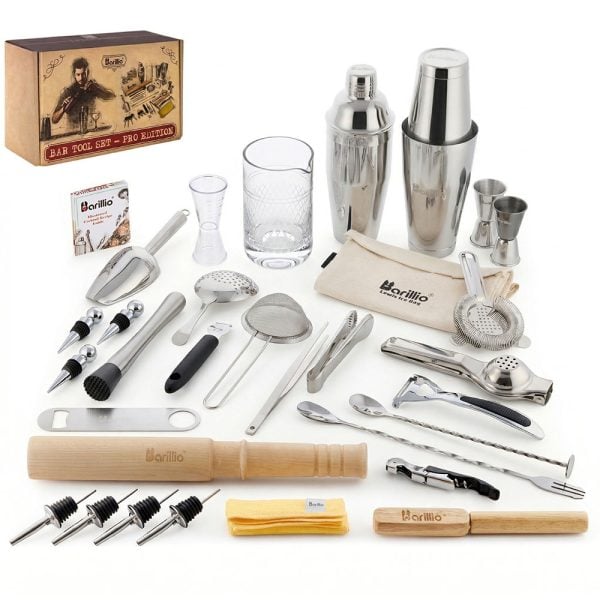
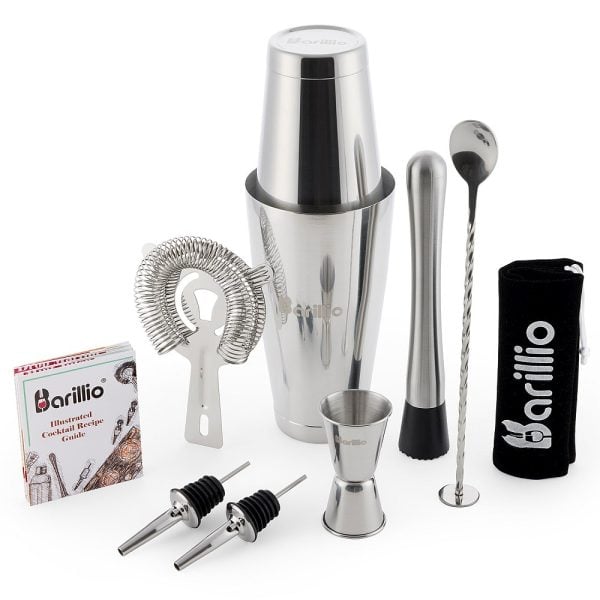
Stainless steel is the practical default for many busy setups. It is relatively light, changes temperature quickly, and tolerates repeated use better than glass. Tin-on-tin Boston shakers also avoid the small cap and built-in strainer of a Cobbler design.
Steel still needs care. A dented rim can interfere with the seal, and plated or colored finishes may have different washing instructions from plain stainless steel. Dry the pieces before nesting them for storage so moisture is not trapped between the tins.
Does one material chill a drink better?
Steel makes the temperature change easier to feel in your hands, but the finished drink depends on more than the vessel material. Ice quality, the amount of empty space, shaking technique, ingredients, and time all affect chilling and dilution.
Use cold, solid ice and enough room for it to move. Stop when the recipe is integrated and the shaker has become thoroughly cold. Treat a fixed shaking time as a starting cue, not a guarantee.
Glass Cobbler or steel Boston shaker?
This is also a choice between two formats. A glass Cobbler shaker has three pieces and an integrated strainer. It is approachable for a home bar and easy to present. A steel Boston shaker has two tins, needs a separate Hawthorne strainer, and rewards a little practice with faster assembly and cleaning.
For a detailed format comparison, read Boston, Cobbler, and French shaker types. If you choose Boston tins, the Boston shaker technique guide covers sealing, shaking, opening, and straining.
Which is better for a beginner?
Choose glass if seeing the drink and using an integrated strainer will make the process more comfortable. Choose steel if durability, portability, and learning the two-tin technique matter more. Neither choice replaces accurate measuring or good ice.
- Choose glass for visual mixing, a substantial feel, and a display-oriented home bar.
- Choose stainless steel for frequent use, travel, lower breakage risk, and Boston-shaker technique.
- Choose based on care if dishwasher use is important; check the instructions for the exact product and finish.
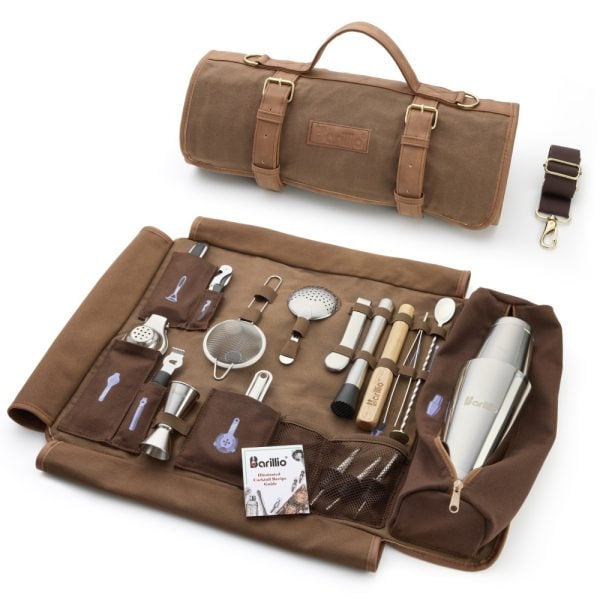
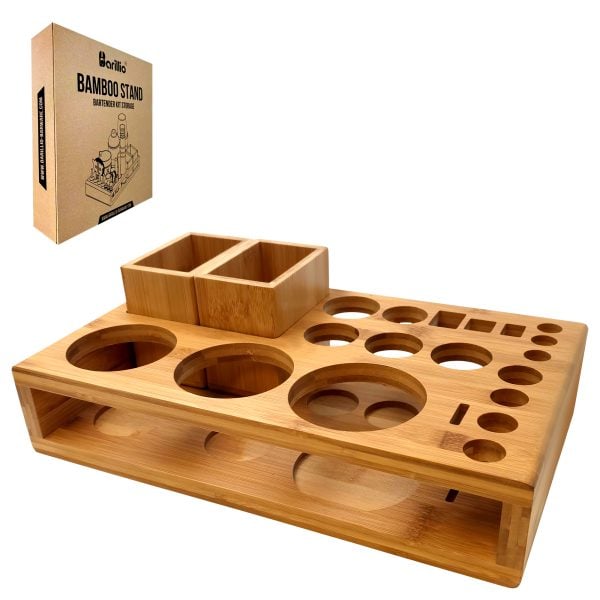
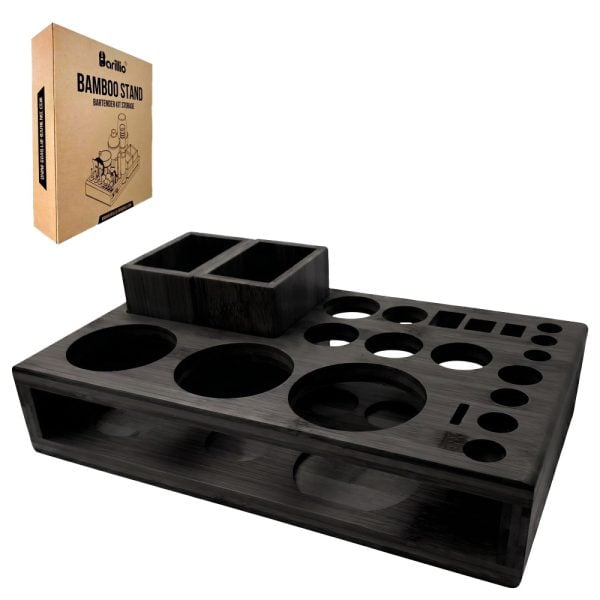
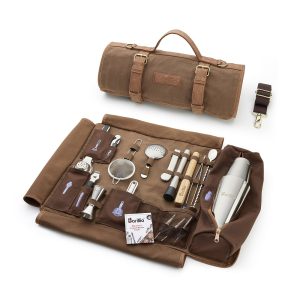
- Choose based on fit if you already own a strainer, stand, or travel bag.
Care and safety checklist
- Inspect glass for chips and steel rims for dents.
- Keep the outside dry before shaking.
- Point the shaker away from faces and fragile objects.
- Do not shake carbonated ingredients in a sealed vessel unless the recipe and product specifically allow it.
- Wash according to the instructions for the glass, gasket, and finish.
- Store pieces dry and avoid forcing them together.
To compare real options, browse the glass cocktail shaker sets alongside the full cocktail shaker collection. The better choice is the shaker you can hold securely, clean confidently, and use consistently.