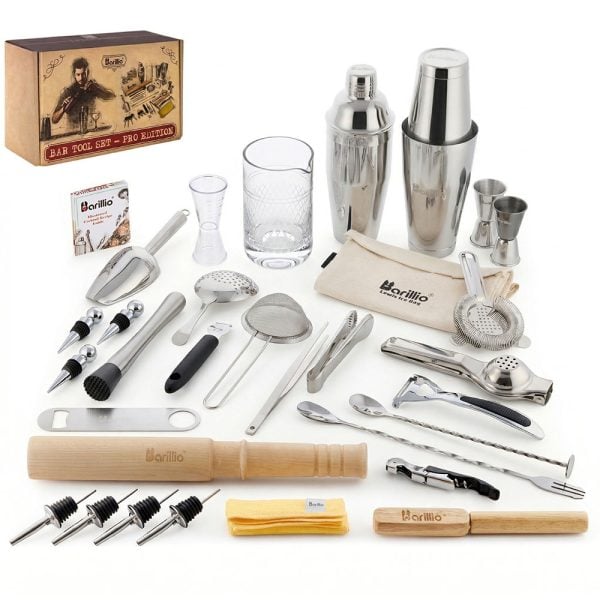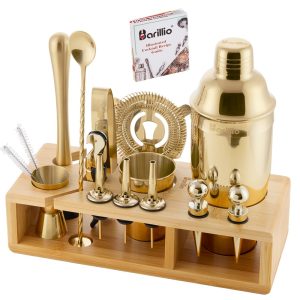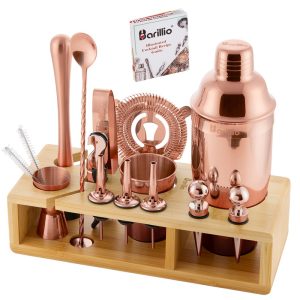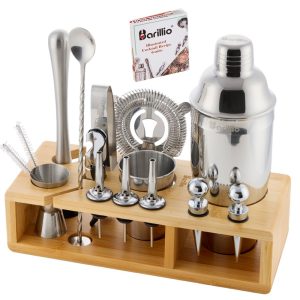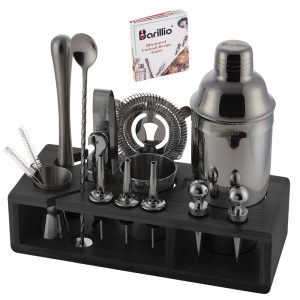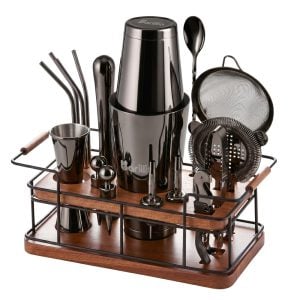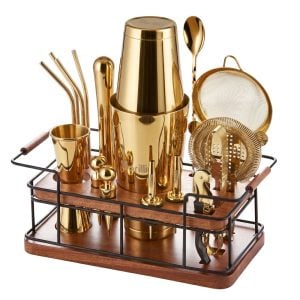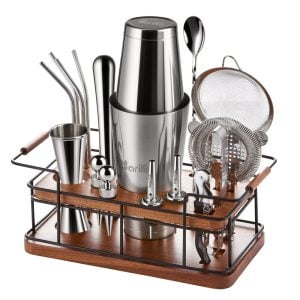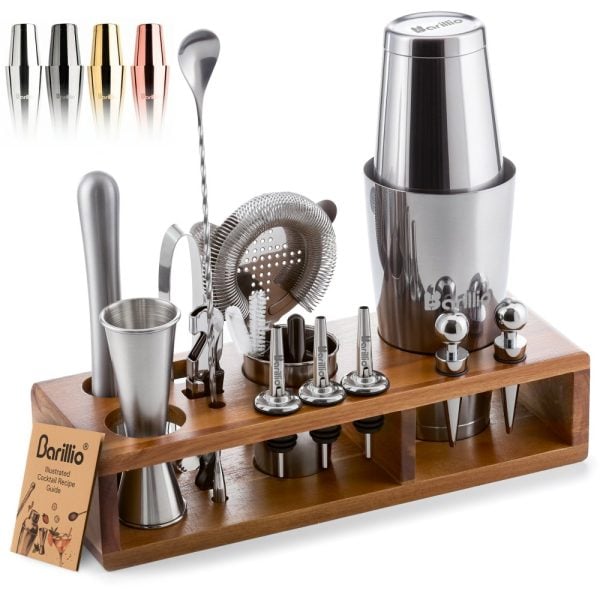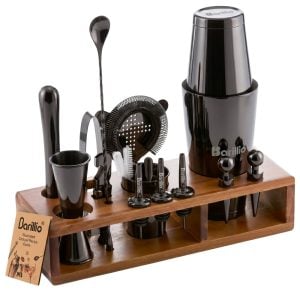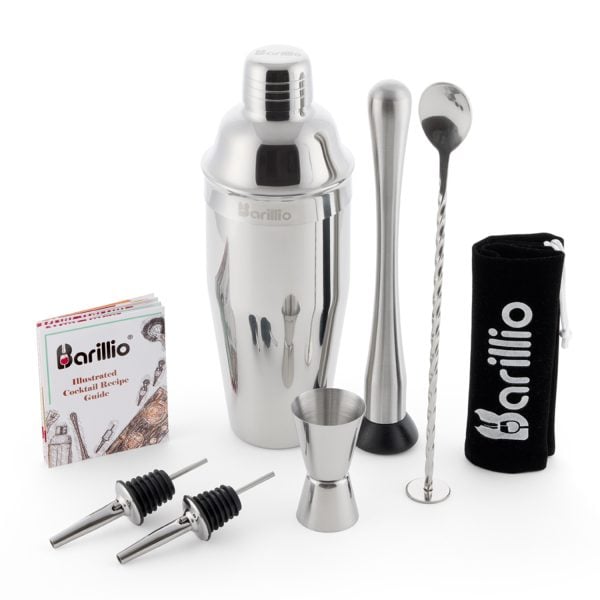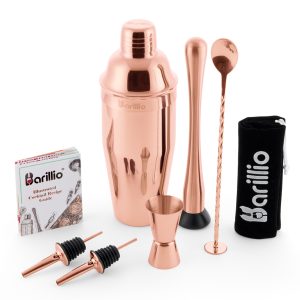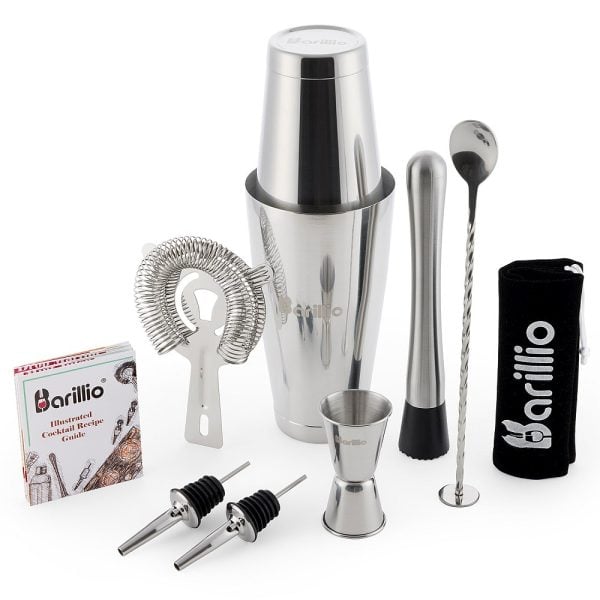
A cocktail tool can look clean while syrup, citrus oil or diluted egg white remains inside a seam, strainer spring or cap. The safest cleaning method depends on the material and construction, so a single dishwasher rule does not fit every shaker, mixing glass, wood tool and canvas bag.
Start with the care instructions supplied with your own product. The steps below are a practical routine for common home-bar materials and help prevent odors, water spots and trapped moisture.
Clean tools as soon as service ends
Rinse sticky ingredients before they dry. Empty ice, separate every removable part and keep wood or canvas away from standing water. If a drink contained dairy, egg, fruit pulp or herbs, wash the tool immediately rather than leaving it in the sink until the next morning.
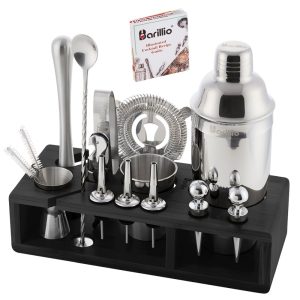
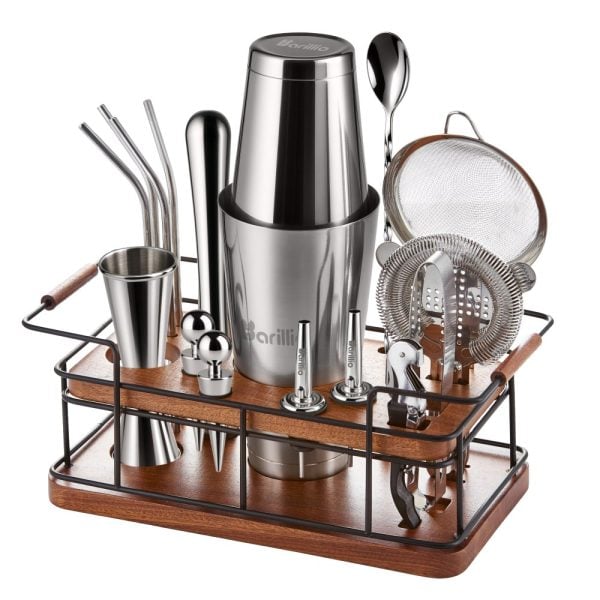
Stainless-steel shaker tins and tools
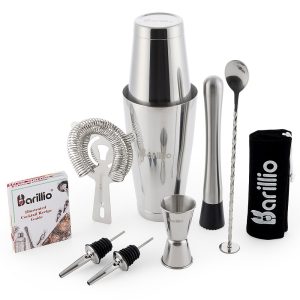
- Separate tins, caps, strainers and small removable pieces.
- Wash with warm water, mild dish soap and a soft sponge or brush.
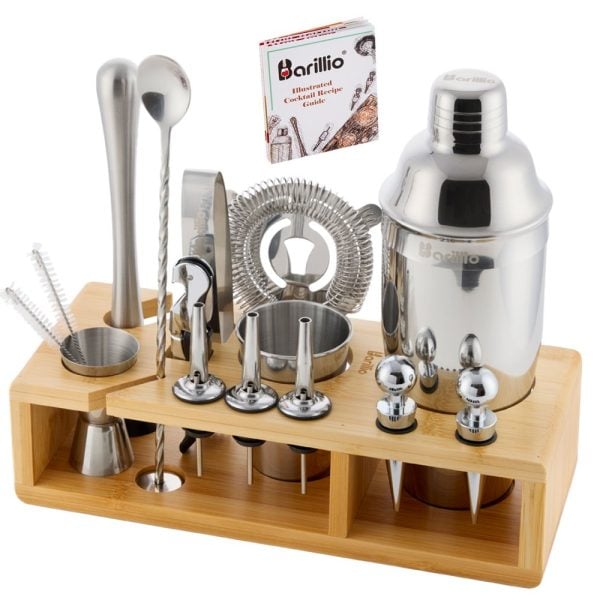
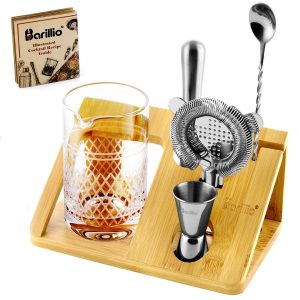
- Run water through strainer holes and under the Hawthorne spring where pulp can collect.
- Rinse fully, then dry with a clean towel before air-drying the final traces of moisture.
- Avoid steel wool or harsh abrasive cleaners that can scratch a polished finish.
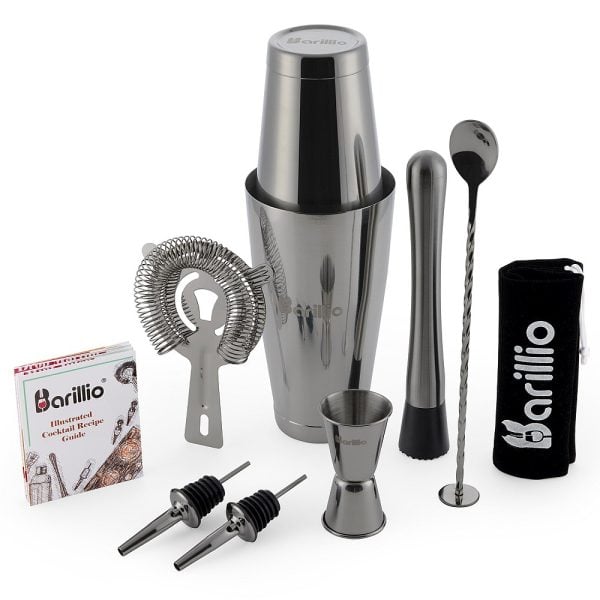
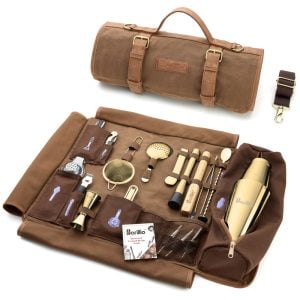
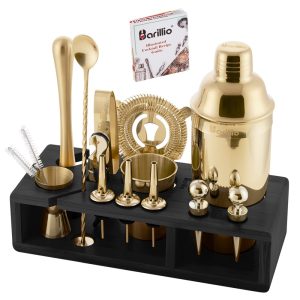
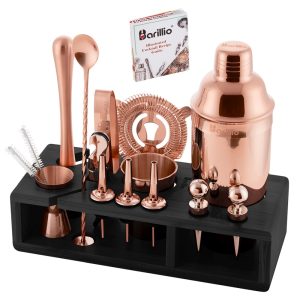
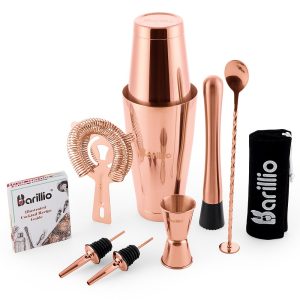
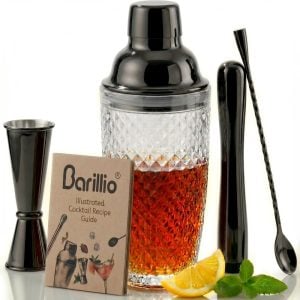
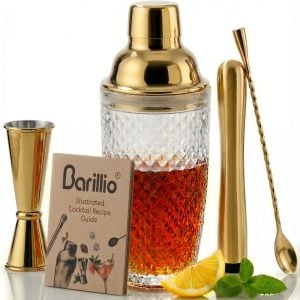
Colored finishes need particular care. Follow the product instructions and use a non-abrasive cloth. Dishwasher heat and strong detergent may affect some decorative coatings even when the underlying metal is stainless steel.
Glass cocktail shakers and mixing glasses
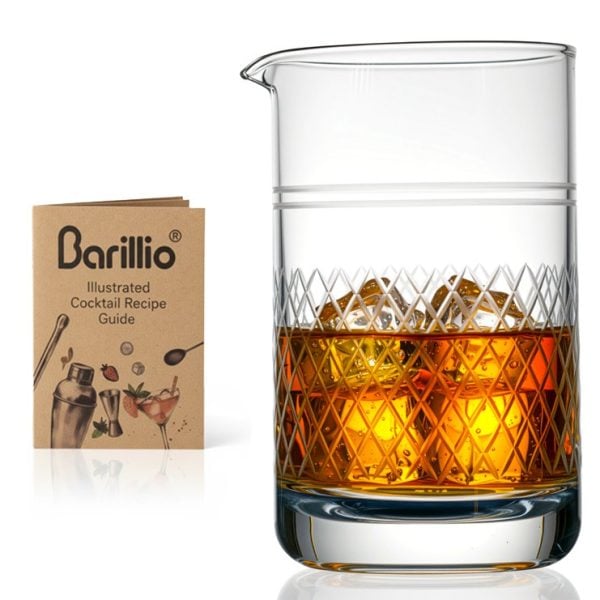
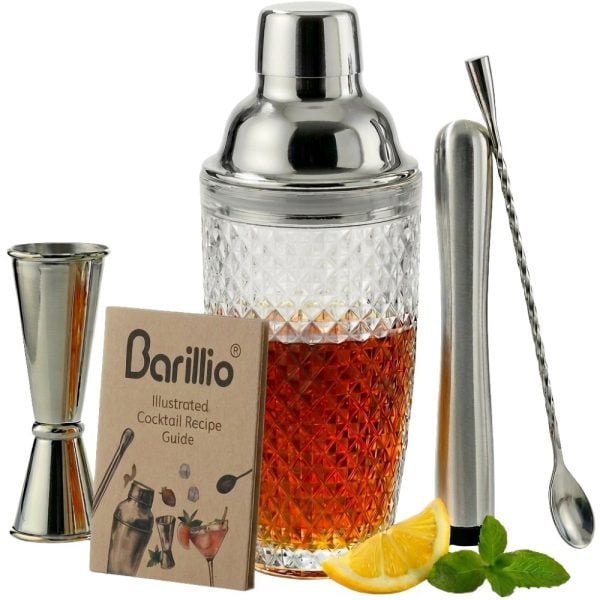
Let very cold glass warm gradually before washing. A sudden move from ice-cold to very hot water creates thermal stress. Wash the inside with a soft bottle brush, support the base with one hand and avoid striking the pouring spout against the sink.
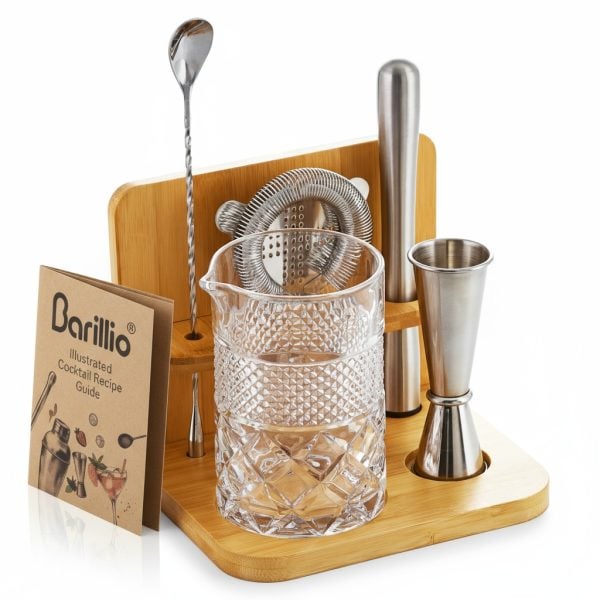
A crystal cocktail mixing glass should be handled as a vessel, not as a storage jar for metal tools. Dry the rim and patterned base carefully, then store it where spoons and strainers cannot fall into it.
Cobbler shaker lids and built-in strainers
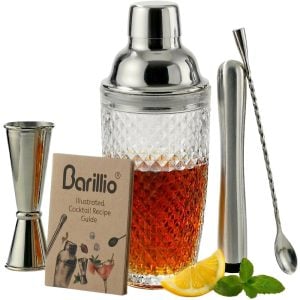
The cap and strainer section create narrow spaces where sugar can dry. Remove all three pieces, soak only long enough to loosen residue, and use a small soft brush around the holes. Rinse from both directions and dry the cap separately before reassembling.
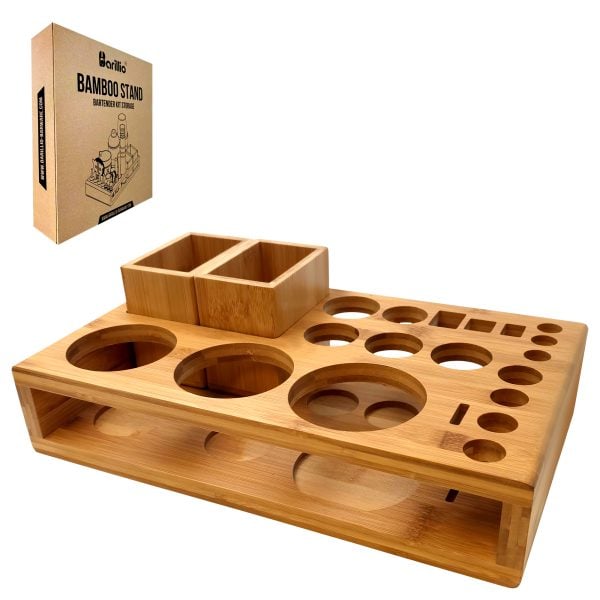
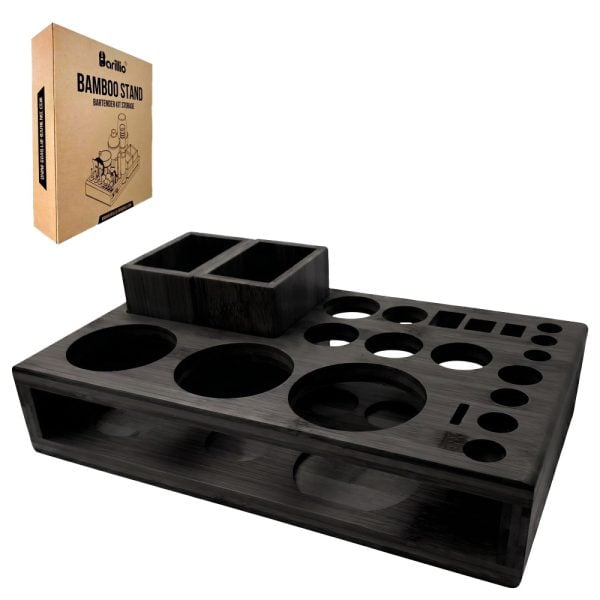
Wood muddlers, mallets and bamboo stands
- Wipe or hand-wash wood quickly with mild soap and water.
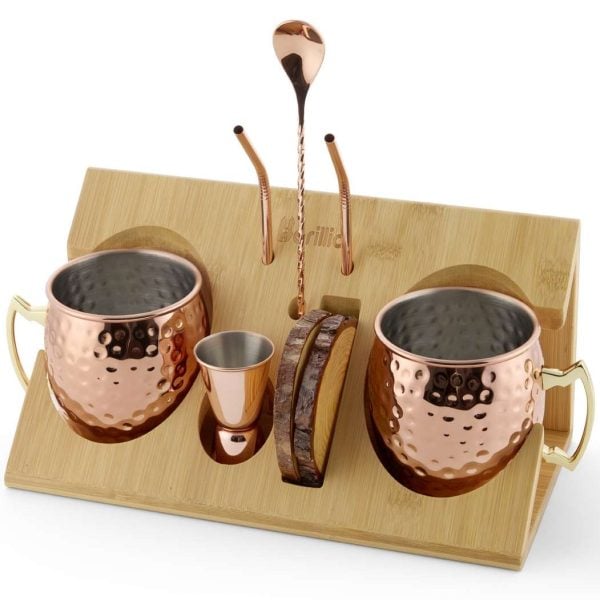
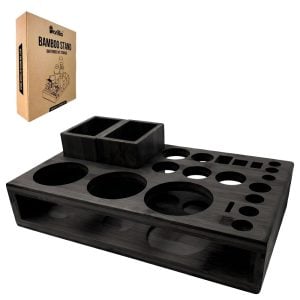
- Do not soak a wooden muddler, mallet or stand.
- Dry immediately and allow airflow around every side.
- Do not store damp tools inside a stand or drawer.
- Follow the maker’s instructions before applying any oil or conditioner.
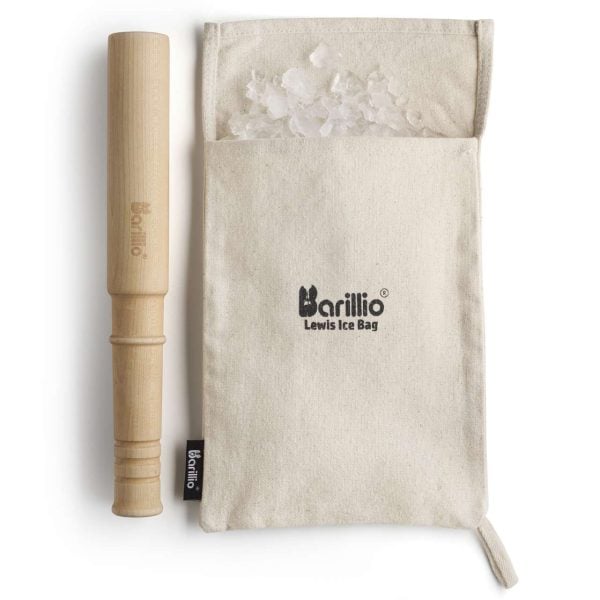
The hard maple mallet and Lewis bag set combines wood and fabric, so the pieces should be separated after use. The cotton bag needs to dry fully before it is folded or stored.
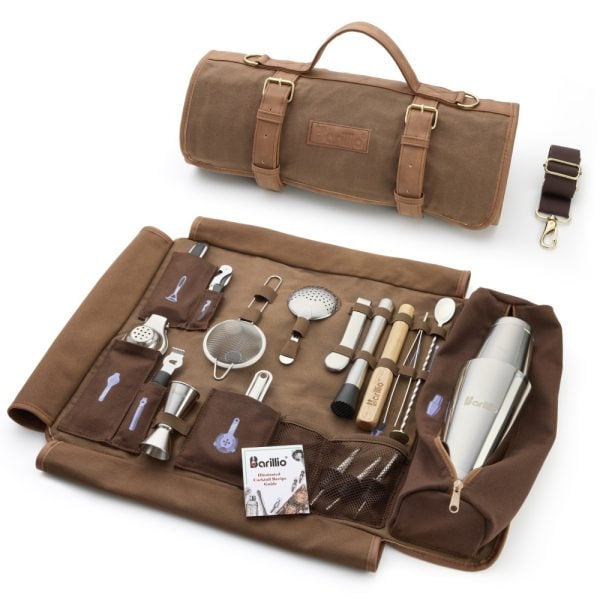
Canvas bartender bags
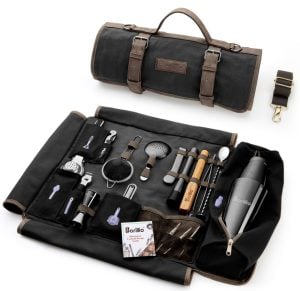
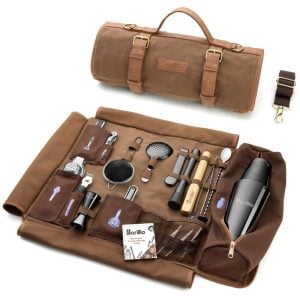
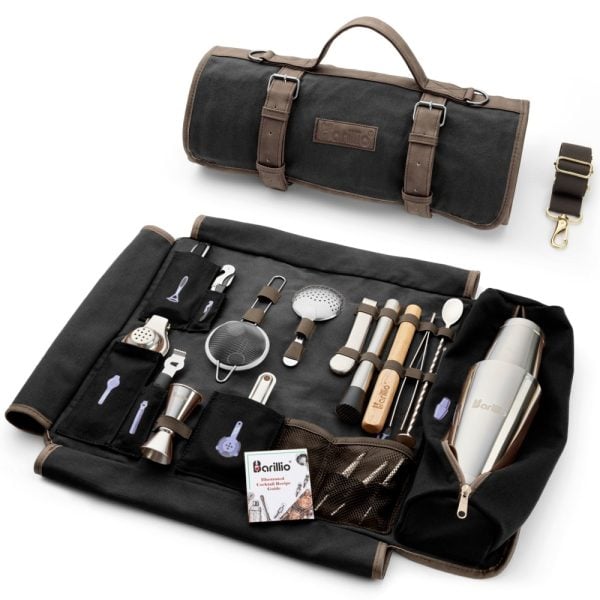
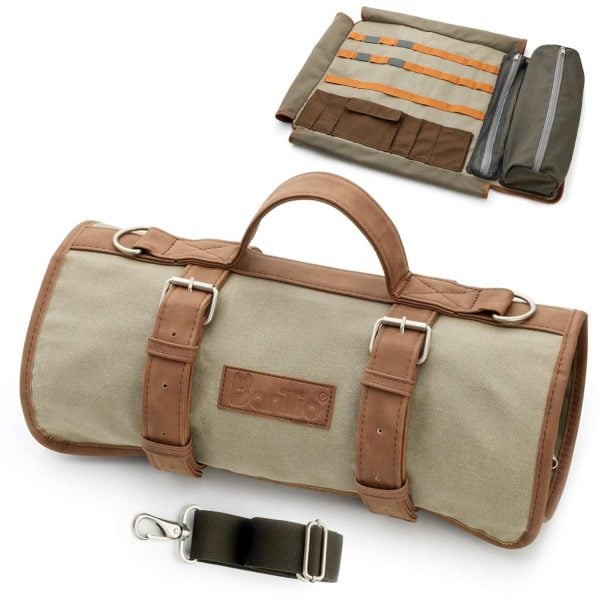
Remove every wet tool before rolling the bag. Brush away dry debris, spot-clean according to the fabric instructions and keep waxed canvas away from machine washing unless the manufacturer explicitly allows it. Leave pockets open until the organizer and tools are completely dry.
How to remove odor without masking it
Odor usually points to residue or trapped moisture. Rewash the affected seams, springs or caps with mild soap, rinse thoroughly and dry in moving air. Fragrance does not replace cleaning. If a smell remains in a porous wood or fabric part, follow the product-specific care instructions rather than applying bleach or a strong solvent.
A five-minute closing routine
| Step | Action |
|---|---|
| 1 | Empty ice and separate every piece. |
| 2 | Rinse sugar, citrus, dairy and egg immediately. |
| 3 | Wash metal and glass with mild soap and the right brush. |
| 4 | Wipe wood and spot-clean fabric without soaking. |
| 5 | Dry fully before returning tools to a stand, drawer or bag. |
For tool-specific technique, see the strainer guide, Lewis bag guide and specialty bar tools collection.