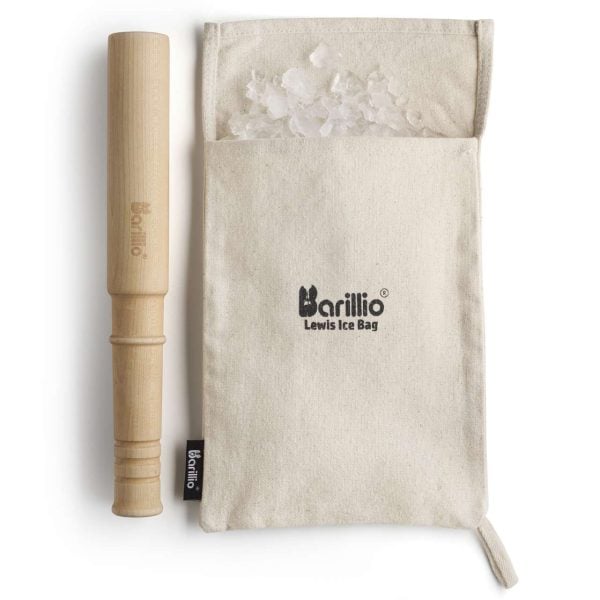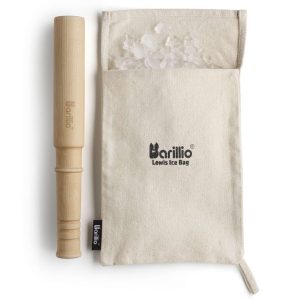
A Lewis bag makes crushed ice without turning it into a puddle. The heavy canvas holds the cubes in place, absorbs some surface moisture, and gives you direct control over the final texture. The difference between useful crushed ice and a bag of snow plus boulders is mostly technique.
Start with cold, solid cubes and use measured strikes. You are breaking the ice in stages, not trying to flatten the bag in one blow.
What you need
- A clean, dry Lewis bag
- A wooden ice mallet or a solid wooden muddler designed for striking
- Cold, firm ice cubes
- A stable cutting board or bar mat on a strong work surface
- An ice scoop or tongs for transferring the finished ice
Do not strike the bag directly on glass, stone edges, or a fragile table. The surface should absorb impact without wobbling.
How to make crushed ice step by step
- Chill the serving glass and prepare the cocktail before crushing the ice. Crushed ice melts quickly once it is exposed.
- Fill the Lewis bag no more than roughly halfway. Fold or roll the open flap so cubes cannot escape.
- Lay the bag flat in a single, reasonably even layer.
- Begin with controlled taps to crack the largest cubes.
- Work across the bag rather than repeatedly hitting the same spot.
- Turn or shake the bag gently, feel for large pieces, and strike those areas again.
- Stop while the ice still has texture. Open the bag and check before continuing.
- Transfer the ice immediately to the prepared glass.
How to avoid powder and large chunks
Powder forms when one area is hit too hard or too many times. Large chunks remain when the bag is overfilled and the lower layer is protected by the upper cubes. Use smaller batches, start gently, and move the mallet across the entire surface.
After the first pass, use your free hand to feel the outside of the bag and locate any remaining large pieces. Keep fingers away from the striking zone. A few targeted taps are better than another full round of heavy blows.
What size should crushed ice be?
There is no single perfect size. For a Mint Julep, swizzle, or tropical drink, aim for small irregular pieces that pack together but still show visible facets. Very fine snow melts quickly and can over-dilute a drink; oversized chunks leave wide gaps and do not create the same frosty effect.
| Texture | Useful for | Watch for |
|---|---|---|
| Coarse crushed ice | Long drinks and slower sipping | Large gaps and uneven chilling |
| Medium irregular pieces | Juleps, swizzles, and many tropical drinks | Best all-purpose target |
| Fine snow | Small decorative caps or specific frozen textures | Fast melting and excess dilution |
Why use a Lewis bag instead of a blender?
A blender is fast, but the blades can produce a wide mix of powder and large pieces, and meltwater stays with the ice. A Lewis bag gives you more tactile control and the canvas absorbs some surface water. A blender still makes sense for a large batch or a recipe designed for a frozen texture.
How much ice should you prepare?
Crush a little more than the glass appears to hold. Small pieces settle into the gaps, and many crushed-ice drinks are finished with a mound above the rim. If you are serving several drinks, work in small batches and keep the finished ice cold rather than leaving one large batch on the counter.
Cleaning and storing the bag
- Empty all ice fragments as soon as you finish.
- Follow the manufacturer’s washing instructions; some canvas bags are intended for hand washing.
- Open the bag fully and let it air-dry before storage.
- Do not fold or seal it while damp.
- Inspect the seams and mallet before the next use.
Cocktails that benefit from crushed ice
Mint Juleps, swizzles, tiki-style drinks, and some cobblers are familiar places to use crushed ice. The texture creates rapid chilling and continuing dilution, so the recipe should be built for it. Substituting crushed ice into a drink designed for one large cube can change the balance quickly.
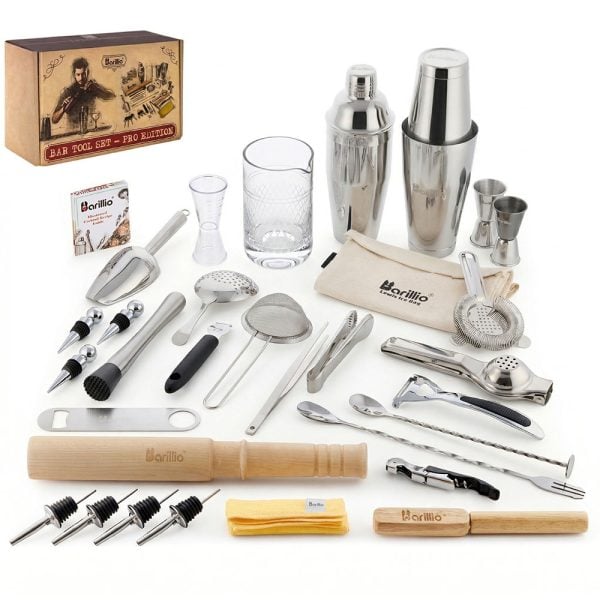
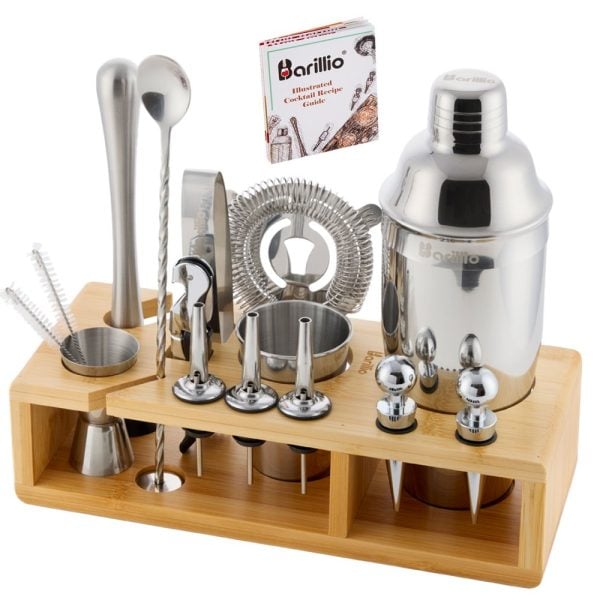
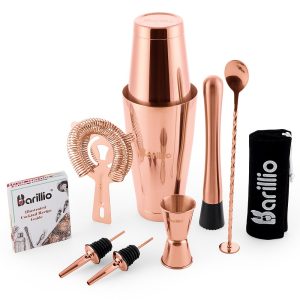
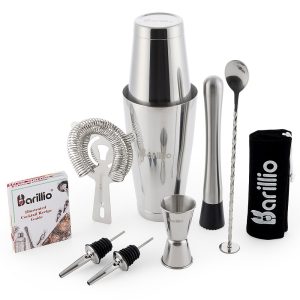
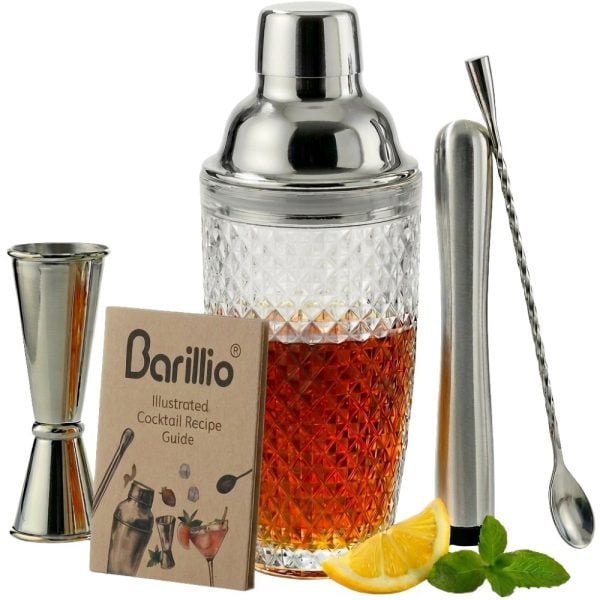
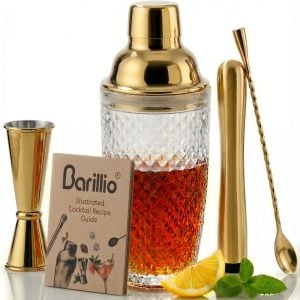
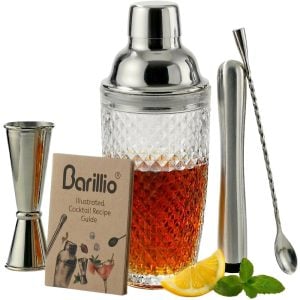
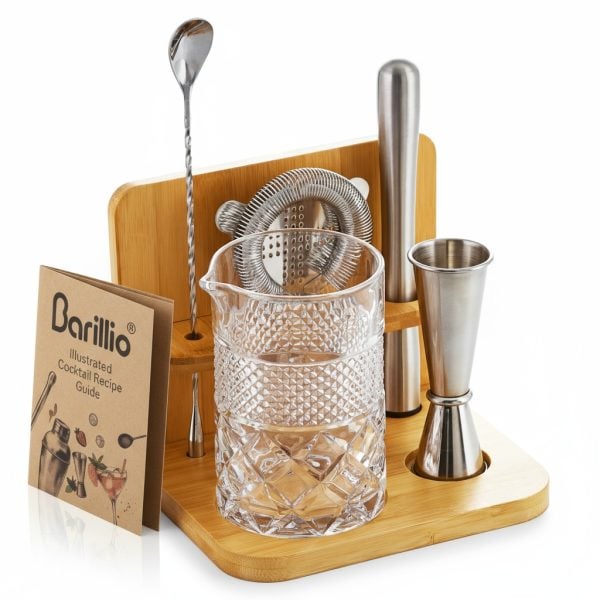
For a broader look at cubes, spears, spheres, and crushed ice, read our guide to types of ice for cocktails. The muddler, mallet and Lewis bag set combines the tools for muddling ingredients and preparing crushed ice, while the home bar accessories guide helps prioritize the rest of a compact setup.